
Community nurseries
Twelve nurseries in Andoni, Okrika and Bonny, each run by a women's cooperative. We buy every healthy seedling at a fixed price, so a nursery is a business, not a favour.
- Nurseries
- 12
- Paid per seedling
- ₦180

Andoni Creek, Rivers State
4°29′N, 7°24′E
We replant mangroves with the fishing communities who live beside them, and we pay local wardens to keep them standing. Ten years, 46 communities, one coastline.
A hectare of mangrove shelters the fish that feed a village, breaks the storm surge before it reaches the houses and stores more carbon than the rainforest behind it.
We collect propagules from healthy stands, raise them in nurseries run by women's cooperatives, and plant them back where oil spills, sand mining and cutting for firewood left the mud bare.
Every site has paid wardens from the community it belongs to. They measure survival each quarter and replant the gaps. Our survival rate after three years is 81 percent.
Scroll to watch the creek recover. Each square is roughly two hectares from our drone surveys, coloured in the year its seedlings survived a full rainy season.
 Bare mudRestored
Survey 2026
We do not plant and leave. Each programme hands a piece of the work, and the income from it, to the people who live on the water.
Twelve nurseries in Andoni, Okrika and Bonny, each run by a women's cooperative. We buy every healthy seedling at a fixed price, so a nursery is a business, not a favour.

318 wardens patrol the replanted stands, log cutting and spills on a shared phone app and replant losses. They earn a monthly stipend that rises with the survival rate of their stretch.

With the Institute of Oceanography in Port Harcourt we count juvenile fish and periwinkle in restored creeks every dry season. Catches at our oldest sites are up by a third since 2019.

When the mangrove went, the periwinkle went. Now my daughter paddles to the same roots I did.
Blessing Nwiido, nursery lead, Ngo Town, Andoni
Notes our wardens and survey team filed this rainy season.


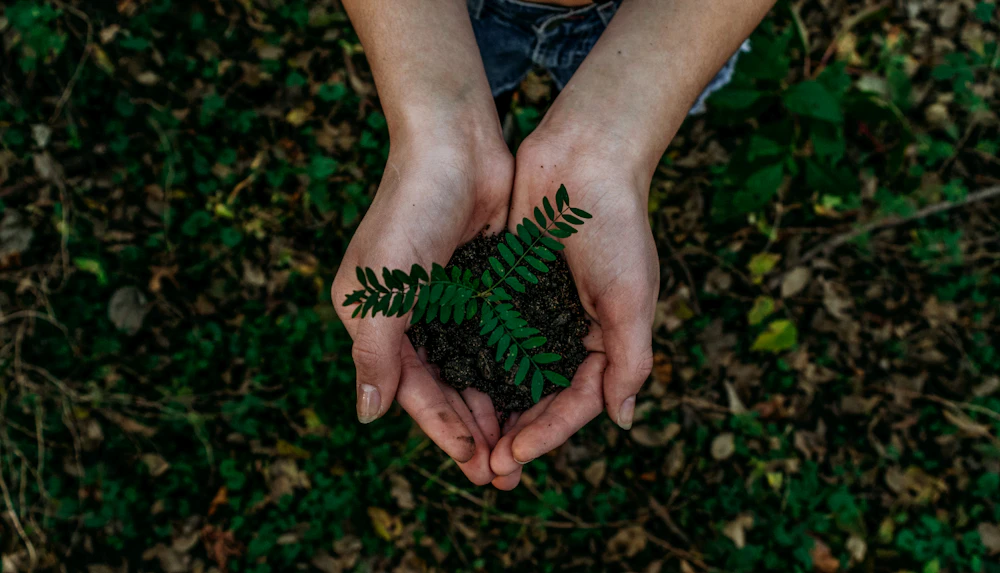

Mangroves store up to four times more carbon per hectare than inland forest, most of it in the mud below them. They also protect the coast and feed the fisheries the delta depends on.
Wardens count fixed plots every quarter and our survey team flies a drone over every site each dry season. We publish the survival figures, including the bad years, in our annual report.
Of every ₦10,000, ₦7,800 goes to nurseries and warden stipends, ₦1,400 to surveys and ₦800 to running the office in Port Harcourt.
Yes. A site of 20 hectares costs ₦38 million over five years, including wardens and surveys. Write to partners@greendelta.ng for a site file.
Give once or every month. You get a photo of your stretch of creek each rainy season.
Plant a creek